Learn about Oaxaca
about la guelaguetza

Espejismo Oaxaqueño
A sharp essay examining the daily life of the average Oaxaqueño, the graffiti demanding tourists go home, and the January 2024 protests against gentrification, displacement, and the water crisis.
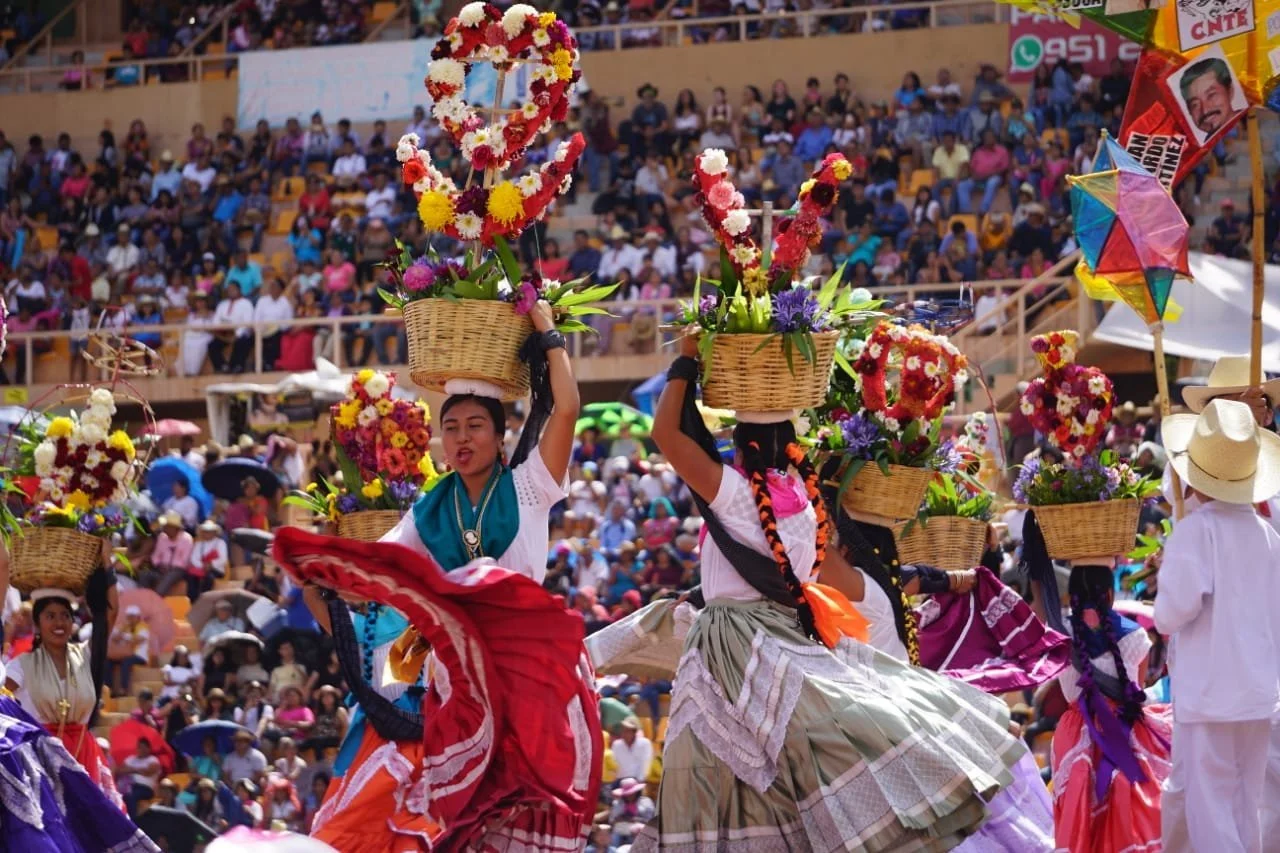
The Festival is Resistance
Explains how La Guelaguetza Popular has reframed political narratives by amplifying Indigenous perspectives on environmental protection, education, land rights, and food sovereignty.
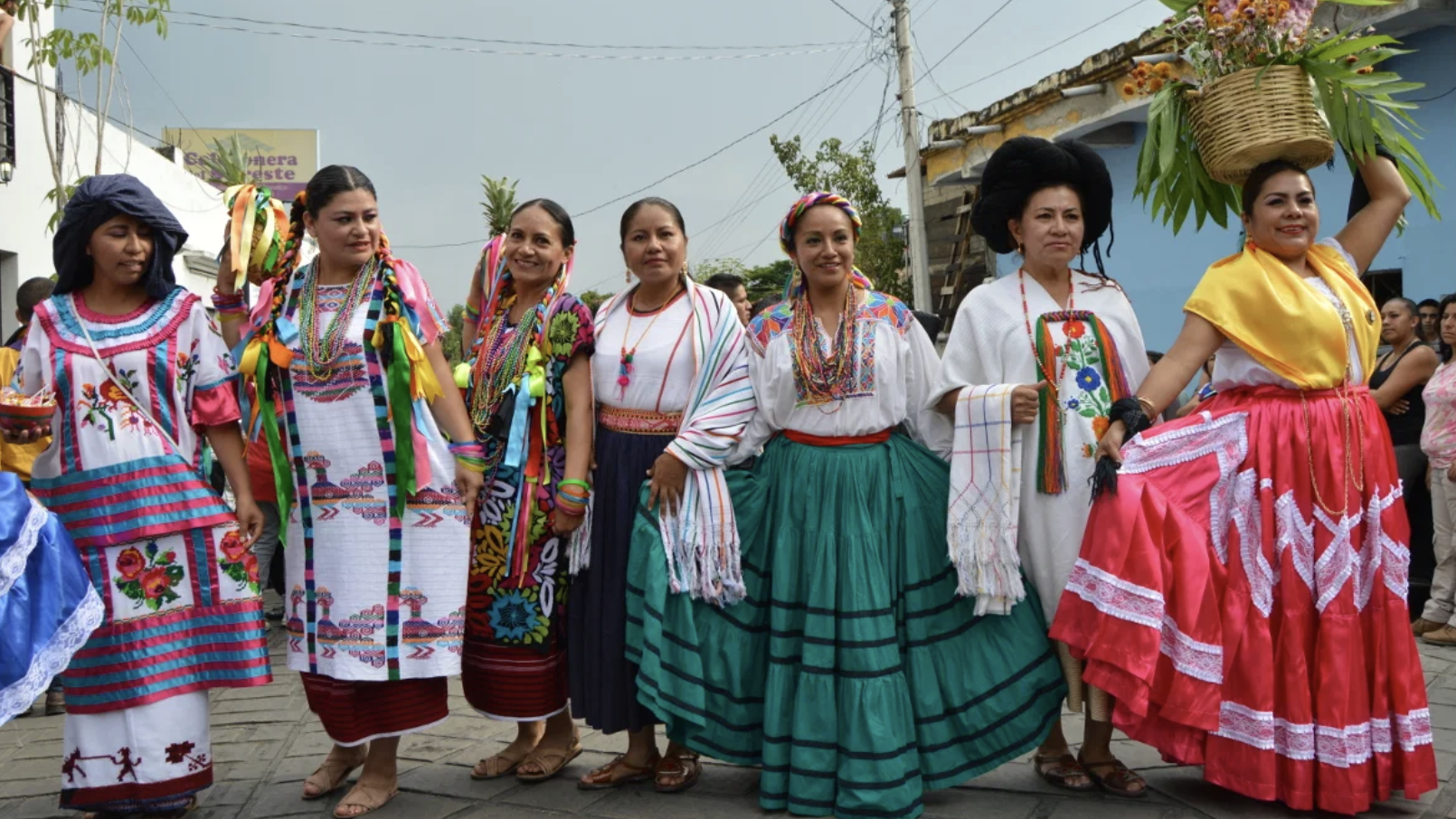
Indigenous Culture That’s Not For Sale
“The Guelaguetza isn't about the commercialization and selling of the indigenous person as a registered trademark. I'm sharing what I do, my dance moves, my music. That's what the real Guelaguetza is all about: coming together and sharing."
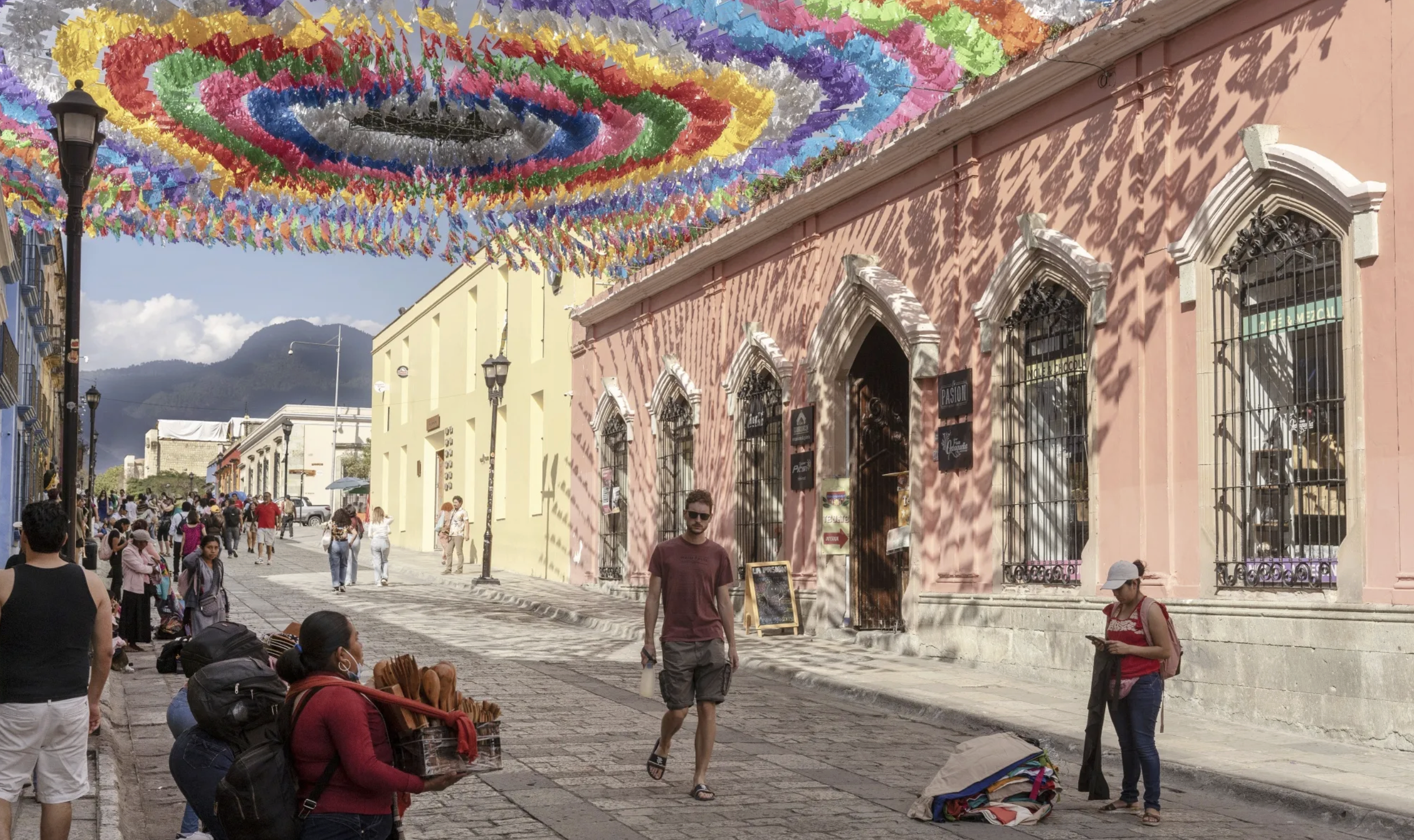
Oaxaca Resists ‘Disneylandization’
A protestor's zine called Oaxaca no es folclore es rebeldia (Oaxaca is not folklore, it is rebellion) frames the core argument for tourism that supports peoples' resources, knowledge, ways of living and culture.
artisans
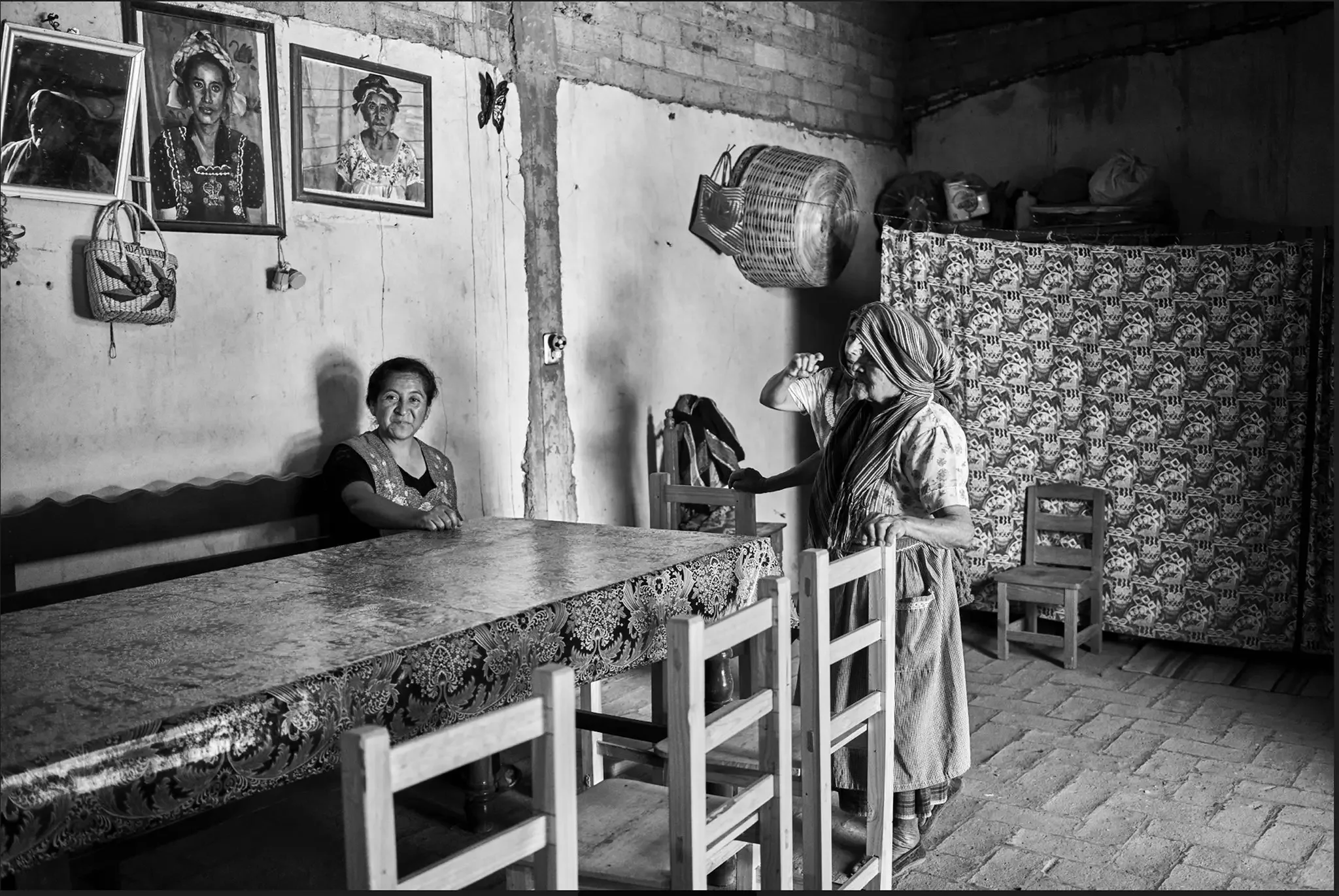
A Rug-Weaver Searching for Social Justice in Oaxaca
In the Zapotec village of Teotitlán del Valle, master weaver Pastora Gutiérrez Reyes creates rugs using ancient natural dye recipes and pre-Hispanic patterns. After years of exploitation and hardship, she helped found Vida Nueva, a women's cooperative that transformed her community.
Breaking the Mold of Centuries-Old Candle-Making
A portrait of Doña Viviana Alávez, the matriarch of Casa Viviana, and the ancient wedding ritual behind the velas tradicionales de concha, told through her granddaughter's voice and her son's recollection
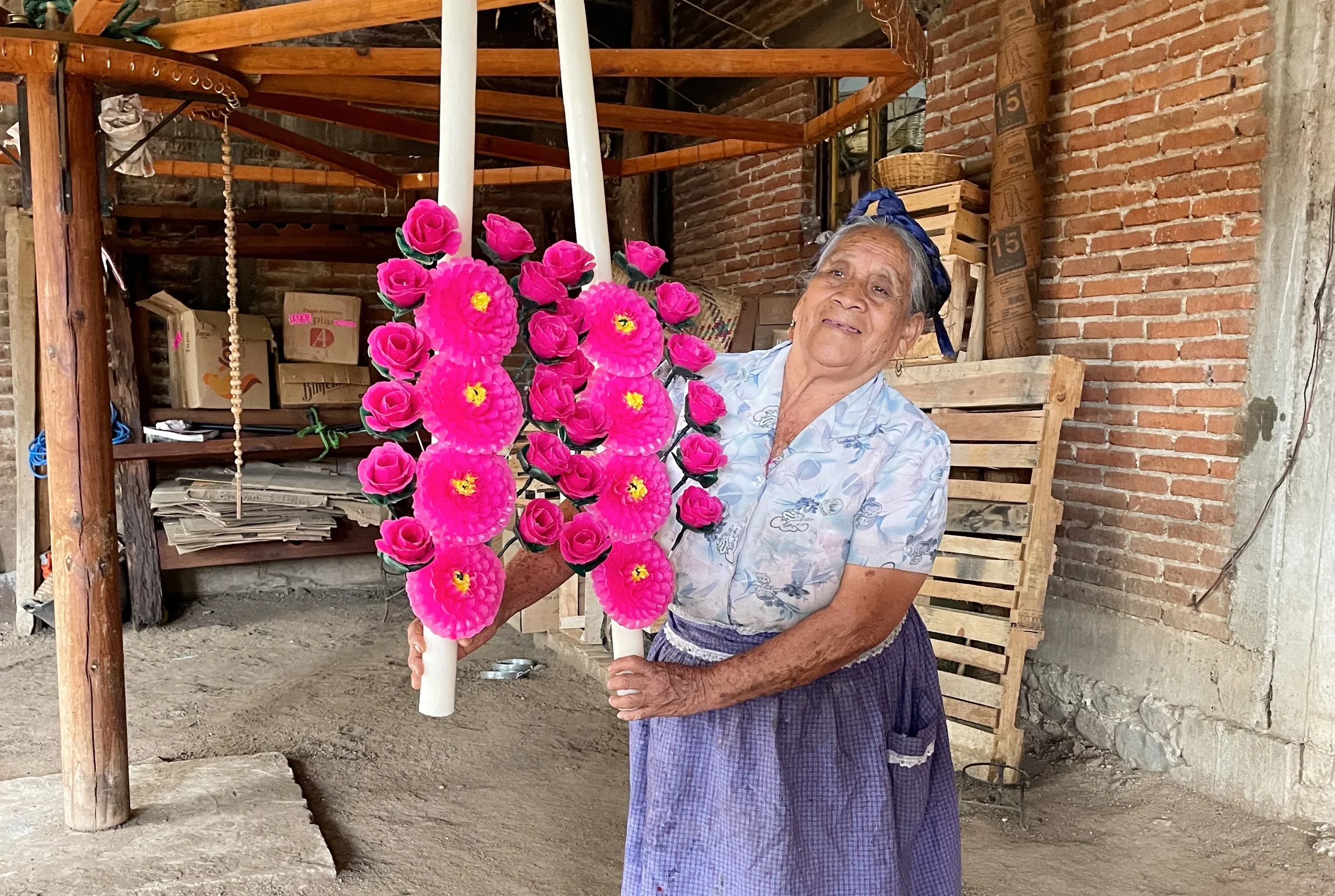
Candle Maker of Teotitlan
Viviana Aláves is a Zapotec elder who has spent over 70 years in Teotitlán del Valle transforming a childhood craft into something the world took notice of. When her own grandmother stole her candle molds out of jealousy, she took apart a rose from her garden and taught herself to sculpt beeswax flowers from scratch.
mezcal
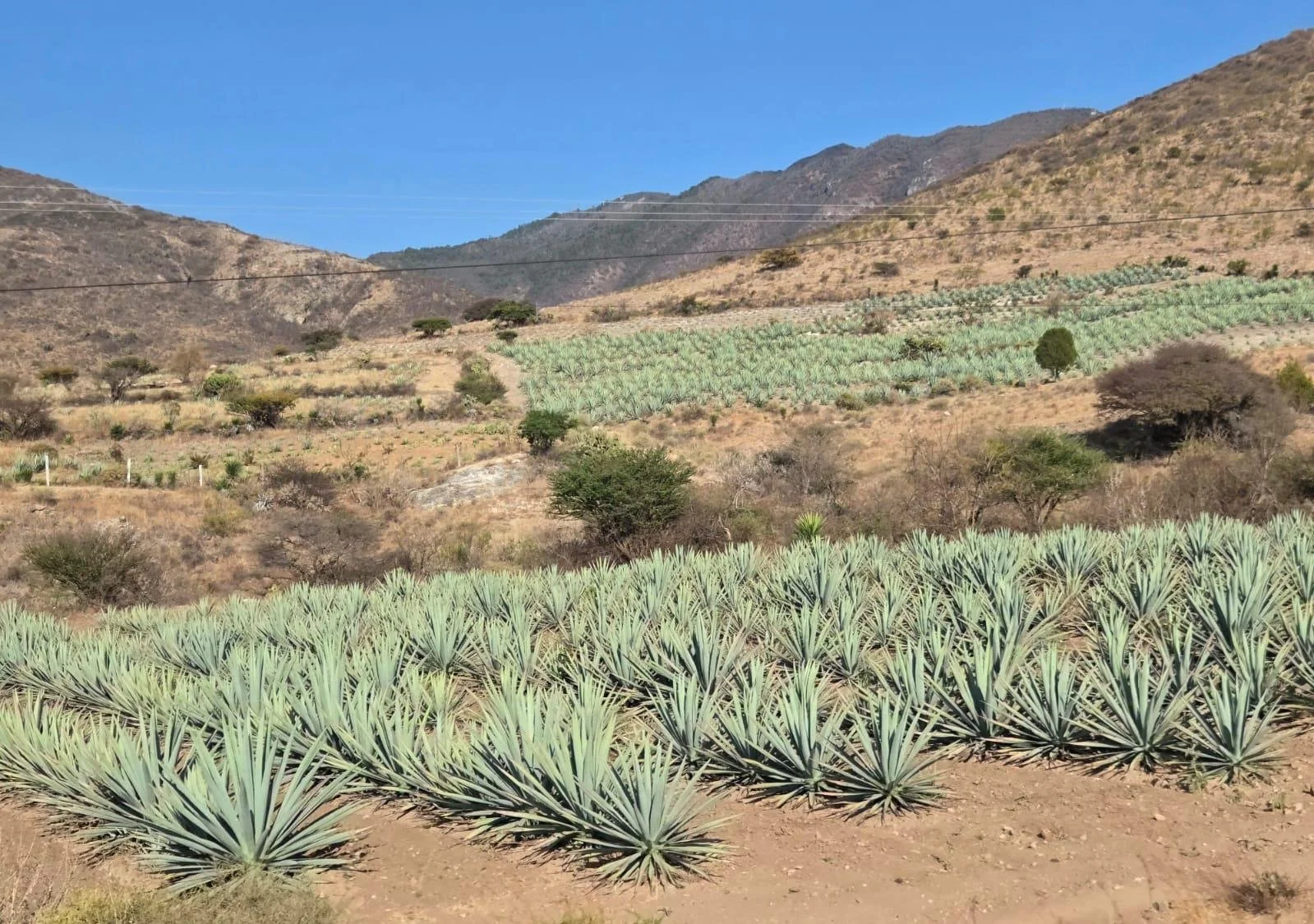
Mezcalistas Sustainability Archive
If you’re interested in learning about mezcal sustainability, this is an amazing curated body of work on the subject.
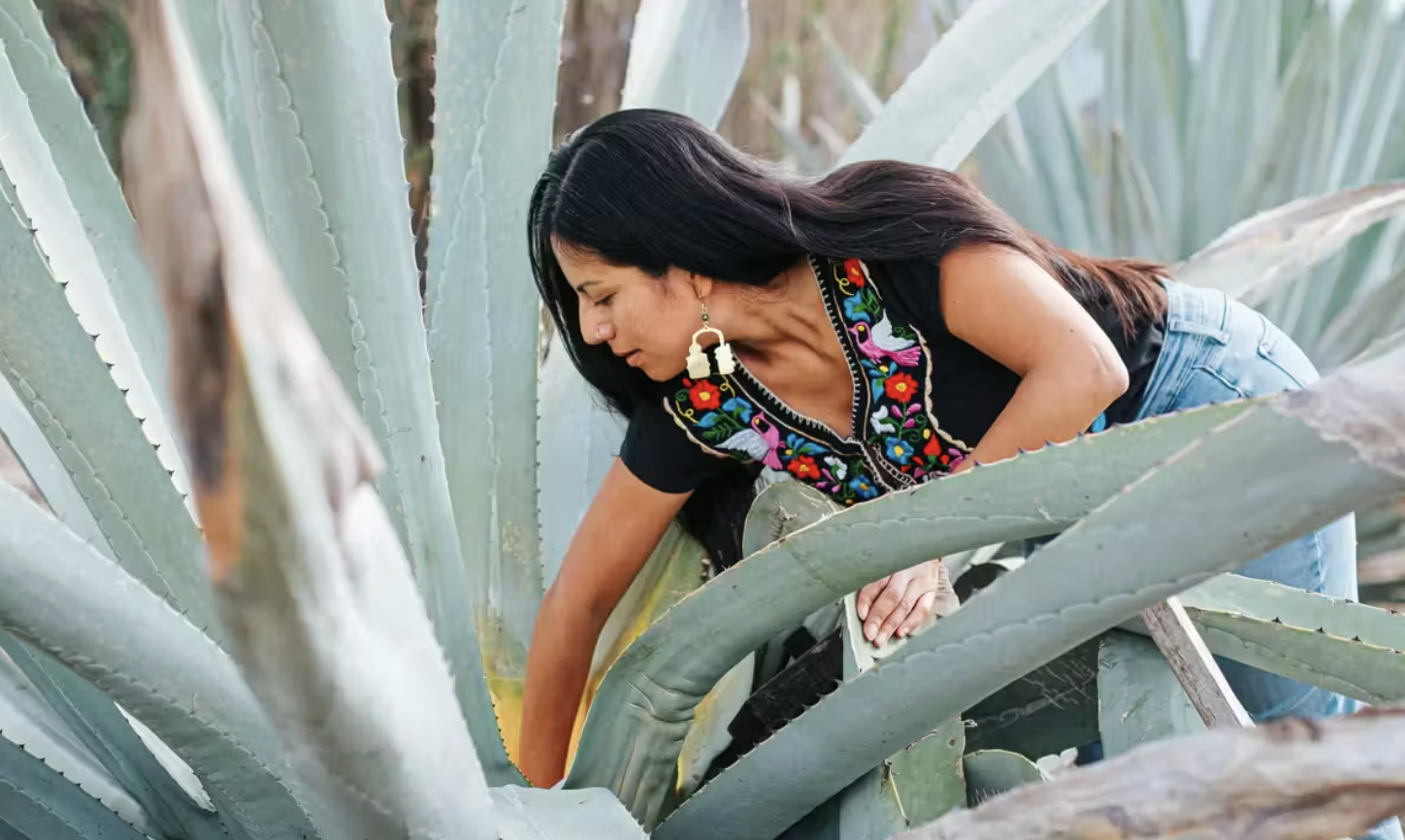
San Francisco local fighting for mezcal’s indigenous identity
Fabiola Santiago, a Zapotec woman from Santiago Matatlán grew up watching the mezcal industry exploit her community. Then she moved to San Francisco and built a nonprofit to fight back.
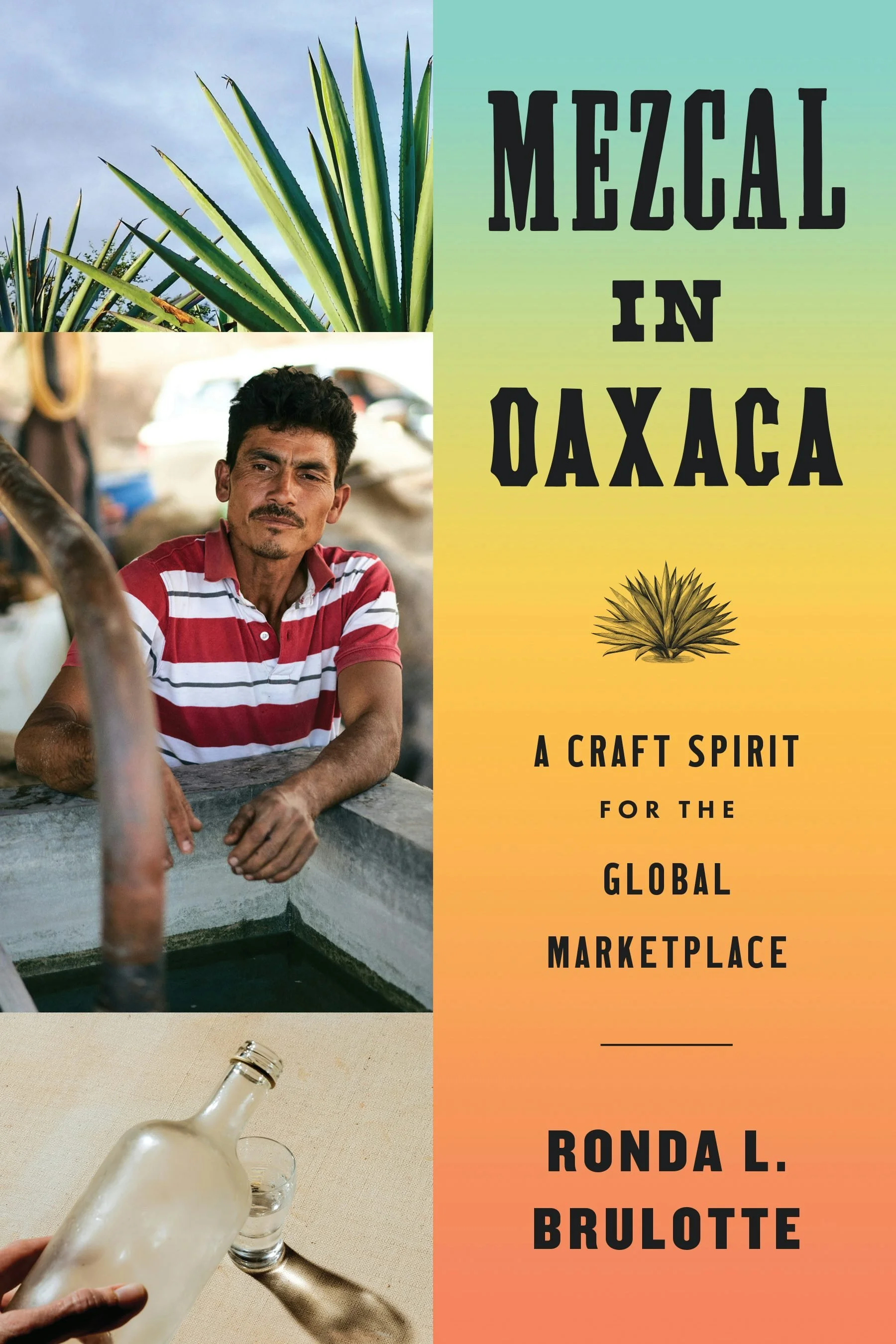
Mezcal in Oaxaca
This book by Ronda L. Brulotte is an ethnography of the mezcal industry in Oaxaca that examines tourism-led gentrification, the exploitation of women and small producers, and what it the mezcal transformation means for Oaxaca’s communities.